Through the Centuries
Our History
Explore the history of Tashi Lhunpo, from its founding in Tibet to its re-establishment in India and continuing Panchen Lama tradition.
About Tashi Lhunpo
Tashi Lhunpo Monastery is the Seat of the Panchen Lamas, second only to the Dalai Lamas in Tibet’s Buddhist hierarchy.

Home of the Panchen Lamas

Location & History
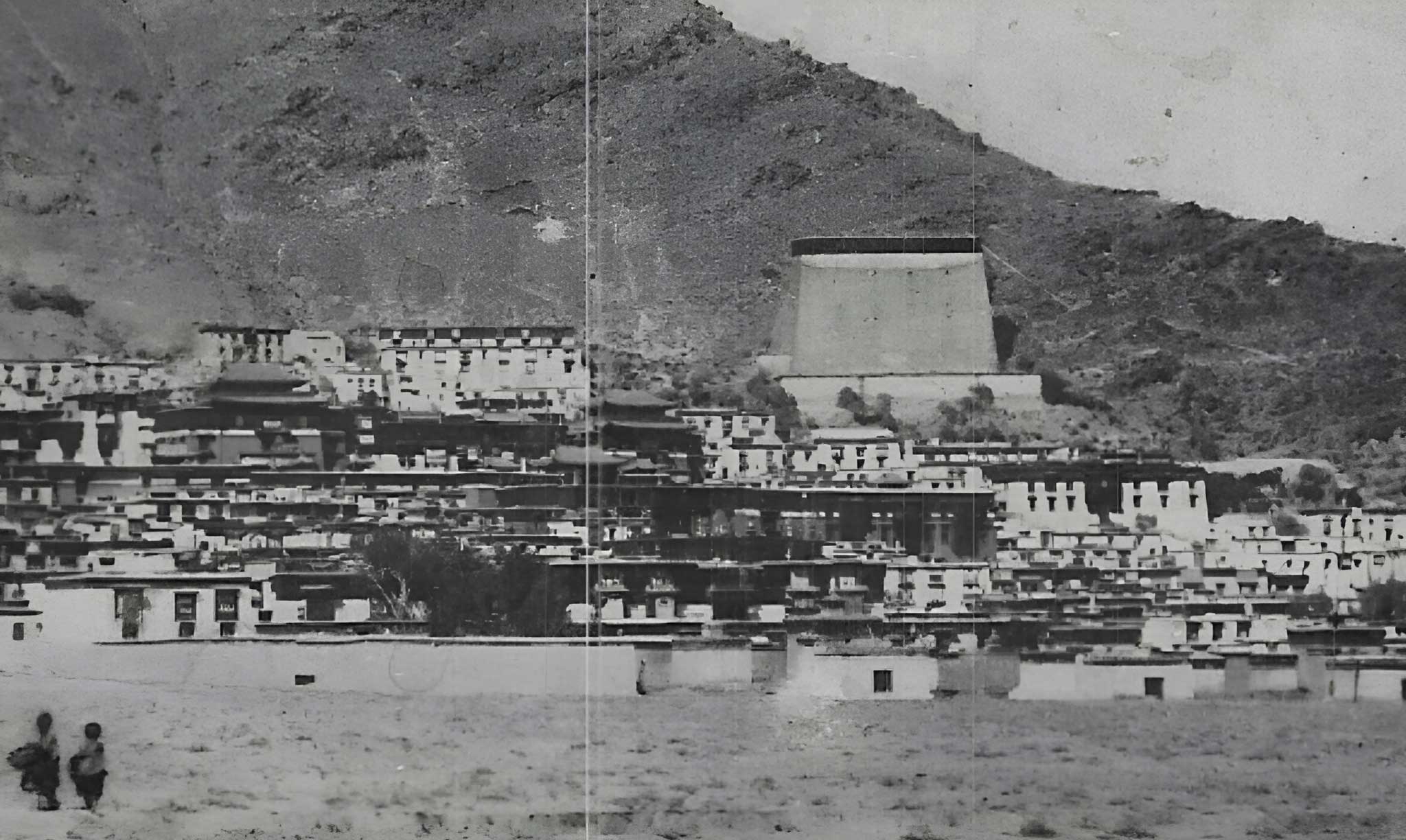
The monastery in Tibet is in Tibet’s second largest city, Shigatse, in the central province of U-Tsang. Once home to over 4,000 monks, the monastery was badly damaged during the Cultural Revolution in the 1960s, and nearly three-quarters of the buildings were destroyed. There was substantial restoration by the 10th Panchen Lama and the monastery is now one of the best preserved of Tibet’s monasteries. However the political pressure is still very strong, and there is no freedom to study freely in the monastery inside Tibet.
1447
Tashi Lhunpo Monastery, the principal monastery of the U-Tsang Province in Tibet, is one of the Great Six centres of the Gelugpa tradition. Tashi Lhunpo was founded by His Holiness the 1st Dalai Lama, Gyalwa Gedun Drup in 1447, and became the largest, most vibrant monastery in Tibet.
16th Century
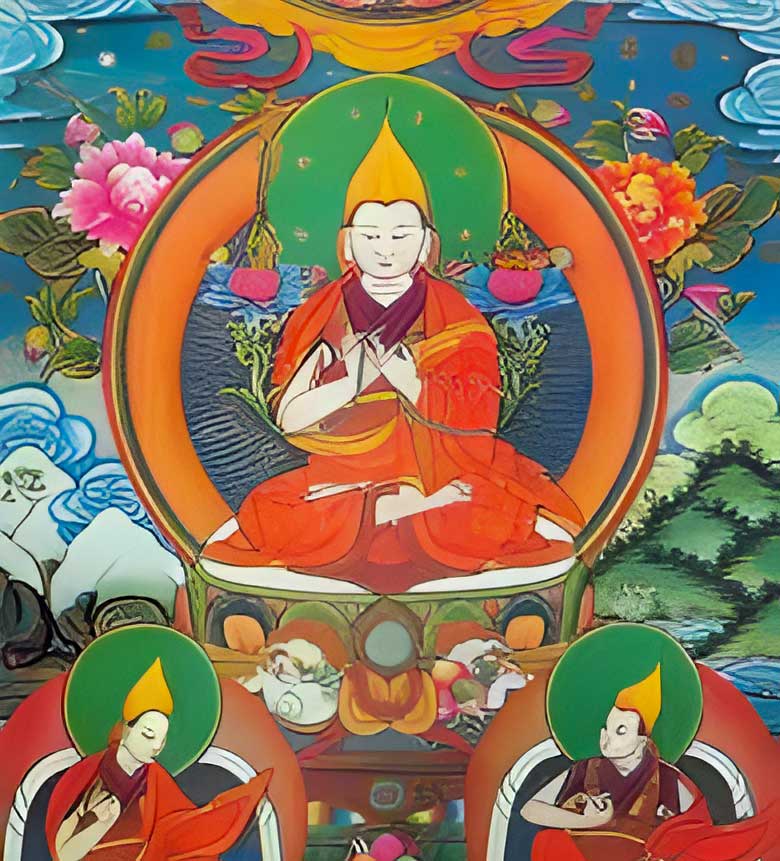
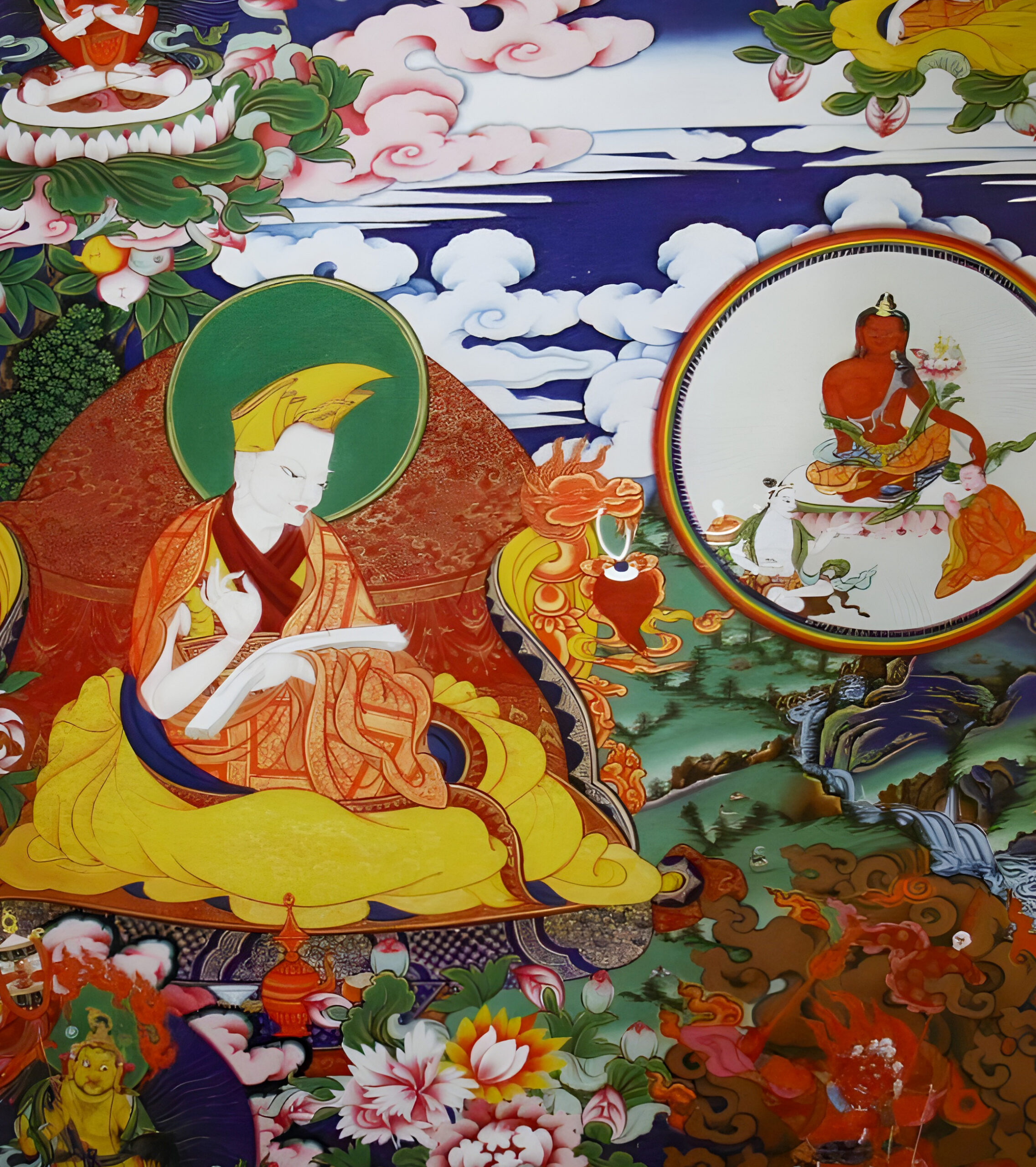
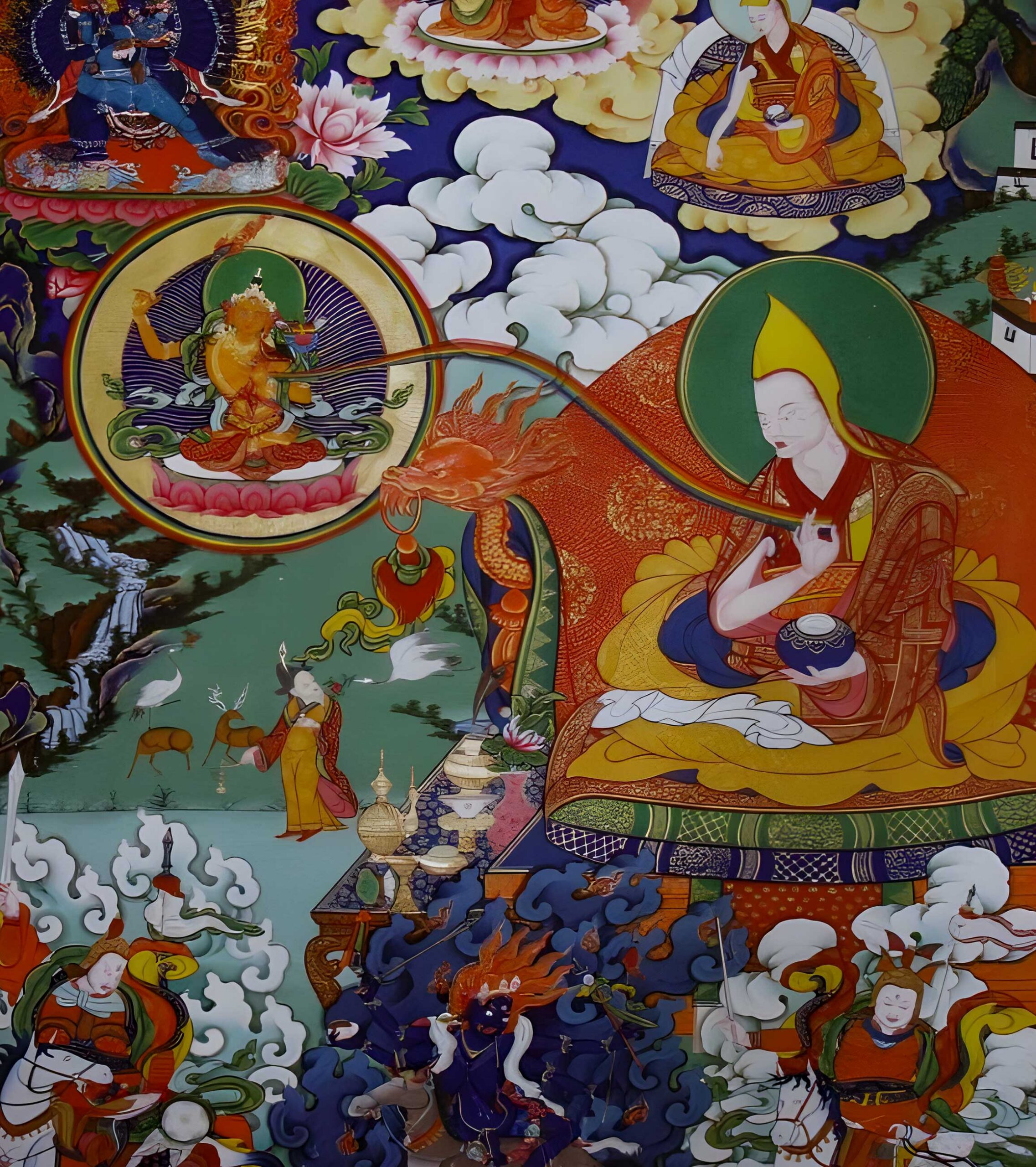
The monastery grew in importance in the 16th Century, when Tashi Lhunpo’s Abbot, Lobsang Chokyi Gyaltsen (1570–1662) was recognised by the Fifth Dalai Lama as an incarnation of Amitabha, the spiritual teacher of Chenrezig and the patron saint of Tibet, and was given the title ‘Panchen Lama’. ‘Panchen’ is the shortened form of Pandita Chenpo, meaning Great Scholar.
The Panchen Lamas became – together with the Dalai Lamas – the most important religious leaders in Tibet. In the same way as the Dalai Lamas, three previous Abbots of Tashi Lhunpo were retrospectively given the title Panchen Lama, making Lobsang Chokyi Gyaltsen the fourth in the line.
17th Century
Under the 4th Panchen Lama, Tashi Lhunpo became an integrated society where monks from Tibet, Bhutan, India, Nepal and China lived in harmony, providing a community where monks received education as well as the warmth and love of a family.
Over the years the monastery flourished as a centre of learning, and played a vital role in the preservation of Mahayana Buddhist Philosophy.
Historic Spiritual Partnership
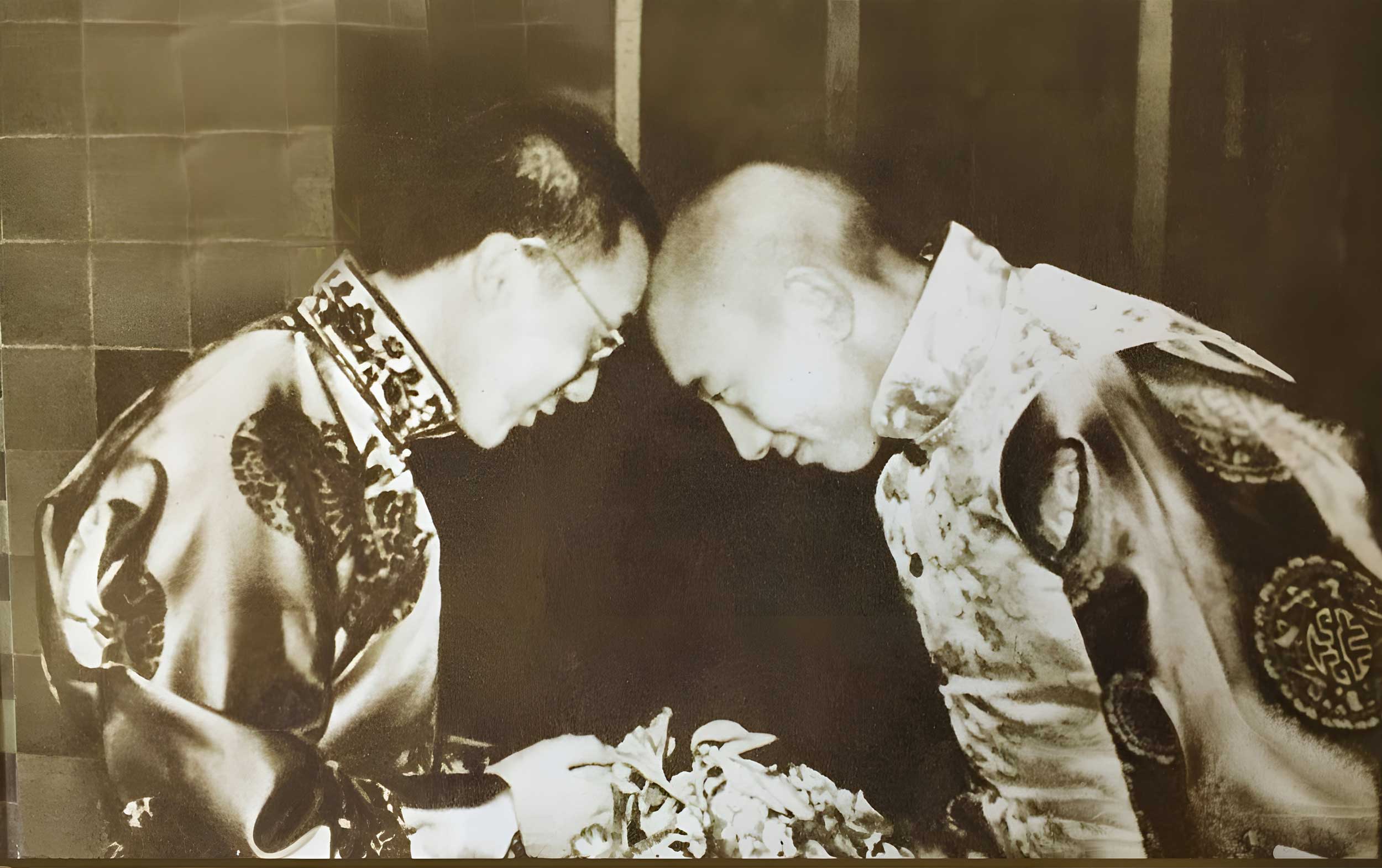
The Dalai Lama and the Panchen Lama have always been inextricably linked. Traditionally the elder Lama would recognize the reincarnation of the younger. Tibetans often refer to the Dalai Lama as the sun, and the Panchen Lama as the moon.
Panchen is an abbreviation of ‘Pandita’ and ‘Chenpo,’ meaning Great Scholar.
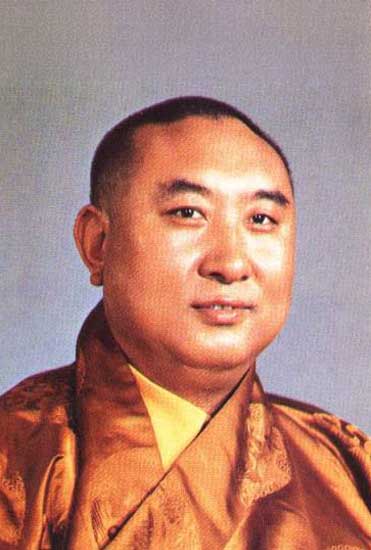
Chokyi Gyaltsen
Chokyi Gyaltsen, the 10th Panchen Lama, was born in Amdo in Eastern Tibet in 1938, and was recognised as the reincarnation of the Panchen Lama by Alak Lakho Rinpoche, and later (in 1951) by His Holiness the Dalai Lama.
In 1954, he and the Dalai Lama travelled to China to attend the National People’s Congress. The Panchen Lama became a member of the Working Committee and a high-level member of the Chinese People’s Political Consultative Conference and Vice Chairman of the Preparatory Committee for the Tibet Autonomous Region, the Chairman being His Holiness the Dalai Lama. In 1956, he visited India for the 2,500-year celebration of the Buddha’s birth. But when the Dalai Lama escaped to India in 1959, the Panchen Lama remained behind.
In the years that followed, he risked much to support the Tibetan people, accusing the Chinese of ignoring their “no racial discrimination” policy, and charging them with following a strategy designed to destroy Tibetan culture. As a result, he was seen as anti-Chinese, and in 1964, at a public meeting in Lhasa, was removed from all positions of authority, and openly criticised and humiliated. He was taken to China, subjected to ‘struggle sessions’ in Beijing, and thrown into solitary confinement for almost ten years, before finally being released in 1975.
On his release from prison, the Panchen Lama revoked his monastic vows, and in 1978 married Lie Jie, a Chinese medical student. This pleased the Chinese authorities, who saw the symbolic value of a marriage between the great Tibetan lama and a Chinese woman. His political rehabilitation began, and in 1979, he was appointed Deputy Chairman of the National People’s Political Consultative Committee, and Deputy Chairman of the National People’s Congress.
Travelling through Eastern Tibet, he repeatedly advised the local people to maintain good relations with the Chinese, while also urging them to ‘Be a Tibetan,’ and ‘Be for the Tibetan Cause.’ In 1989, the Panchen Lama returned to Tashi Lhunpo Monastery, where he commissioned a memorial stupa to replace the ones that had been destroyed during the Cultural Revolution. Several ceremonies followed. In a speech on 23rd January, 1969, he declared, ‘Since liberation, there has certainly been development, but the price paid for this development has been greater than the gains.’
It was there, in Tashi Lhunpo Monastery, that the Panchen Lama died, reportedly of a heart attack, on 28th January 1989. He was fifty years old.
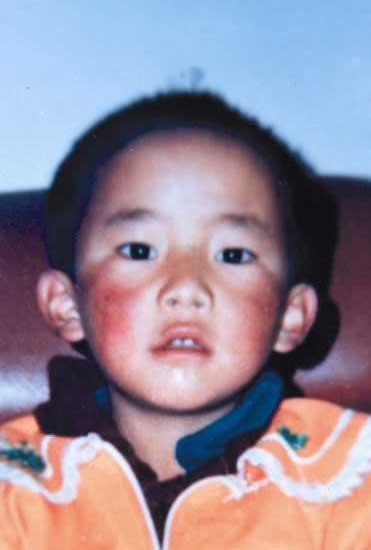
Gedhun Choekyi Nyima
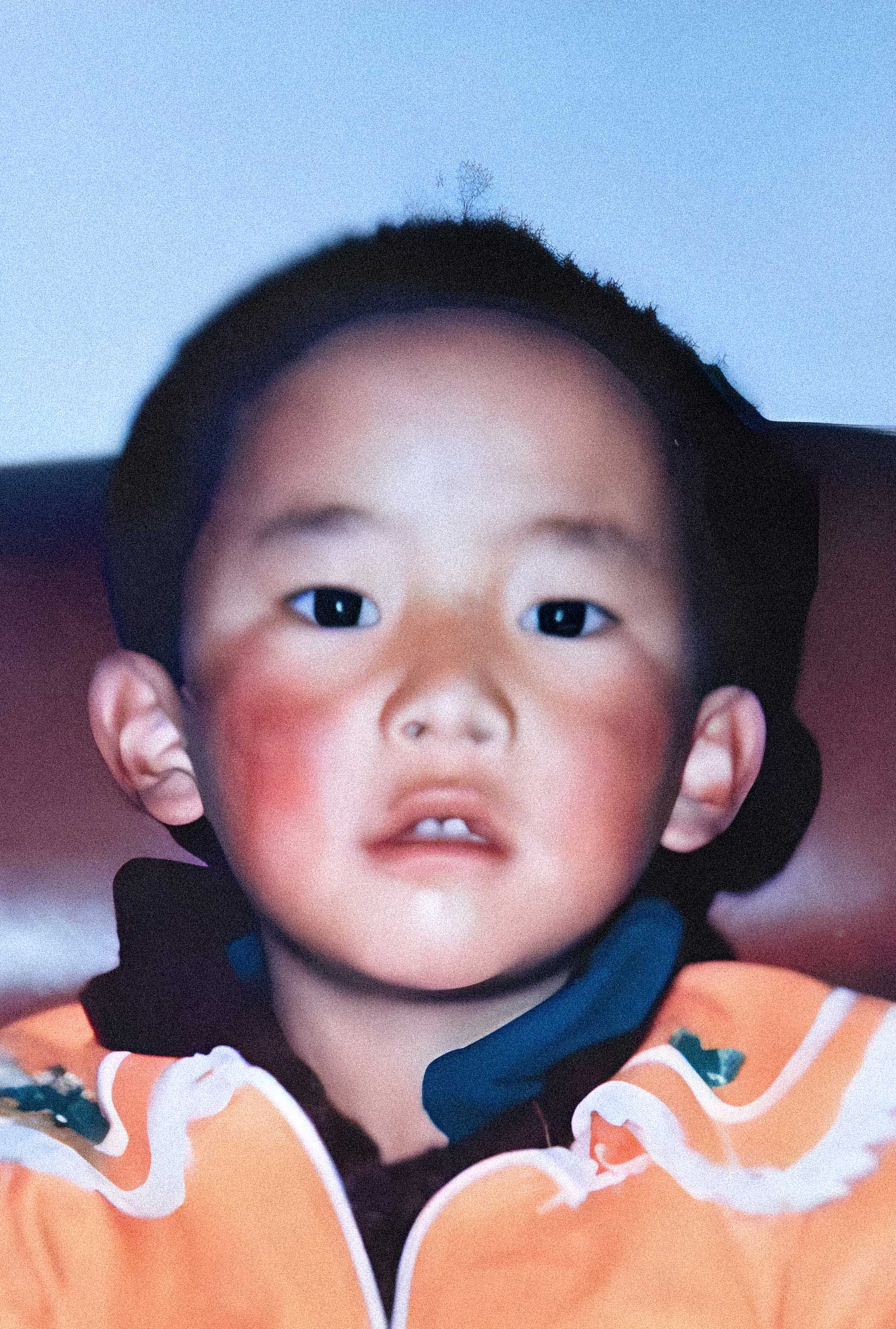
On 14th May 1995, the Dalai Lama named a six-year-old boy, Gedhun Choekyi Nyima, as the eleventh reincarnation of the Panchen Lama. But almost immediately, the child and his family were taken away by the authorities, and his whereabouts remain unknown.
On 11th November 1995, the Chinese declared that another young boy, Gyancain Norbu, had been selected as Panchen Lama, as a result of drawing names from a Golden Urn. Human Rights groups continue to campaign for the release of Gedhun Choekyi Nyima, as do Tibetans all around the world.
The safety of Gedhun Choekyi Nyima and his proper religious training is of particular concern to me. He has not been seen in public for some months and is reported to be detained somewhere in Beijing. I, therefore, appeal to all governments, religious and human rights organizations for their intervention in ensuring the safety and freedom for the young Panchen Lama.
MESSAGE OF HIS HOLINESS THE 14TH DALAI LAMA, 1995
Spiritual Succession
The Panchen Lamas form an unbroken lineage of spiritual teachers within the Gelug tradition of Tibetan Buddhism, each recognised as the reincarnation of the previous holder of the title.
| Panchen Lama | Name | Dates |
|---|---|---|
| The 1st Panchen Lama | Khedrup Gelek Palsang | 1385 – 1438 |
| The 2nd Panchen Lama | Sonam Choekyi Lanpo | 1439 – 1504 |
| The 3rd Panchen Lama | Lobsang Dhondup | 1505 – 1566 |
| The 4th Panchen Lama | Lobsang Choekyi Gyaltsen | 1570 – 1662 |
| The 5th Panchen Lama | Lobsang Yeshi | 1663 – 1737 |
| The 6th Panchen Lama | Lobsang Palden Yeshi | 1738 – 1780 |
| The 7th Panchen Lama | Lobsang Tenpel Nyima | 1782 – 1853 |
| The 8th Panchen Lama | Lobsang Tenpal Wangchuk | 1855 – 1882 |
| The 9th Panchen Lama | Lobsang Choekyi Nyima | 1883 – 1937 |
| The 10th Panchen Lama | Lobsang Choekyi Gyaltsen | 1938 – 1989 |
| The 11th Panchen Lama | Gedhun Choekyi Nyima | 1989 – |
Discover More
Learn more about Tashi Lhunpo, its history, and the monastery community preserving Tibetan Buddhist traditions in exile today.
Through the Centuries
Explore the history of Tashi Lhunpo, from its founding in Tibet to its re-establishment in India and continuing Panchen Lama tradition.

Monastic Life
Discover the life of Tashi Lhunpo Monastery, its purpose, values, education, and community dedicated to preserving Tibetan Buddhist tradition in exile.
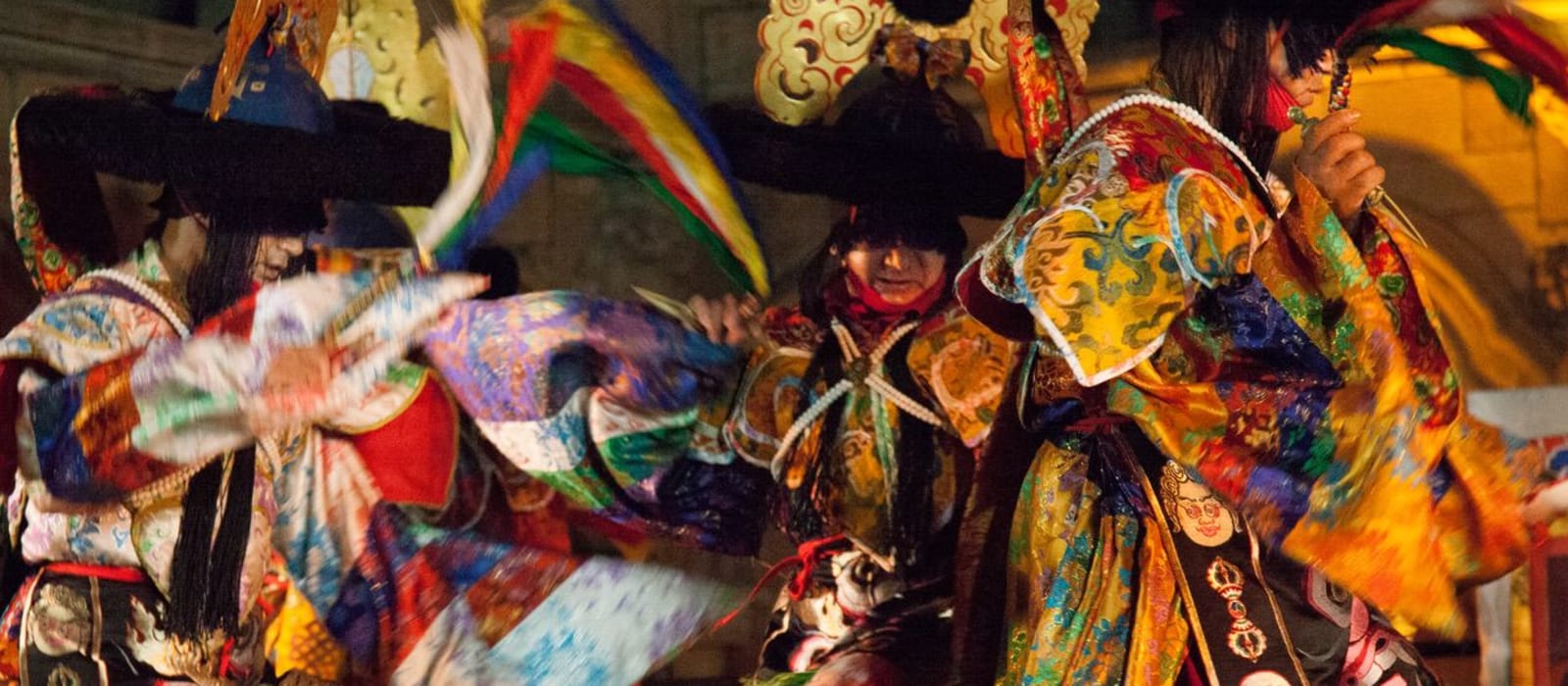
Living Tradition
Explore the monastic life of Tashi Lhunpo, where sacred rituals, art, and philosophy are passed down through generations.
Your Support Matters
Learn more about Tashi Lhunpo Monastery, discover meaningful ways to support its work, and see how your involvement helps sustain monastic life, education, and a living spiritual tradition in exile.