Through the Centuries
Our History
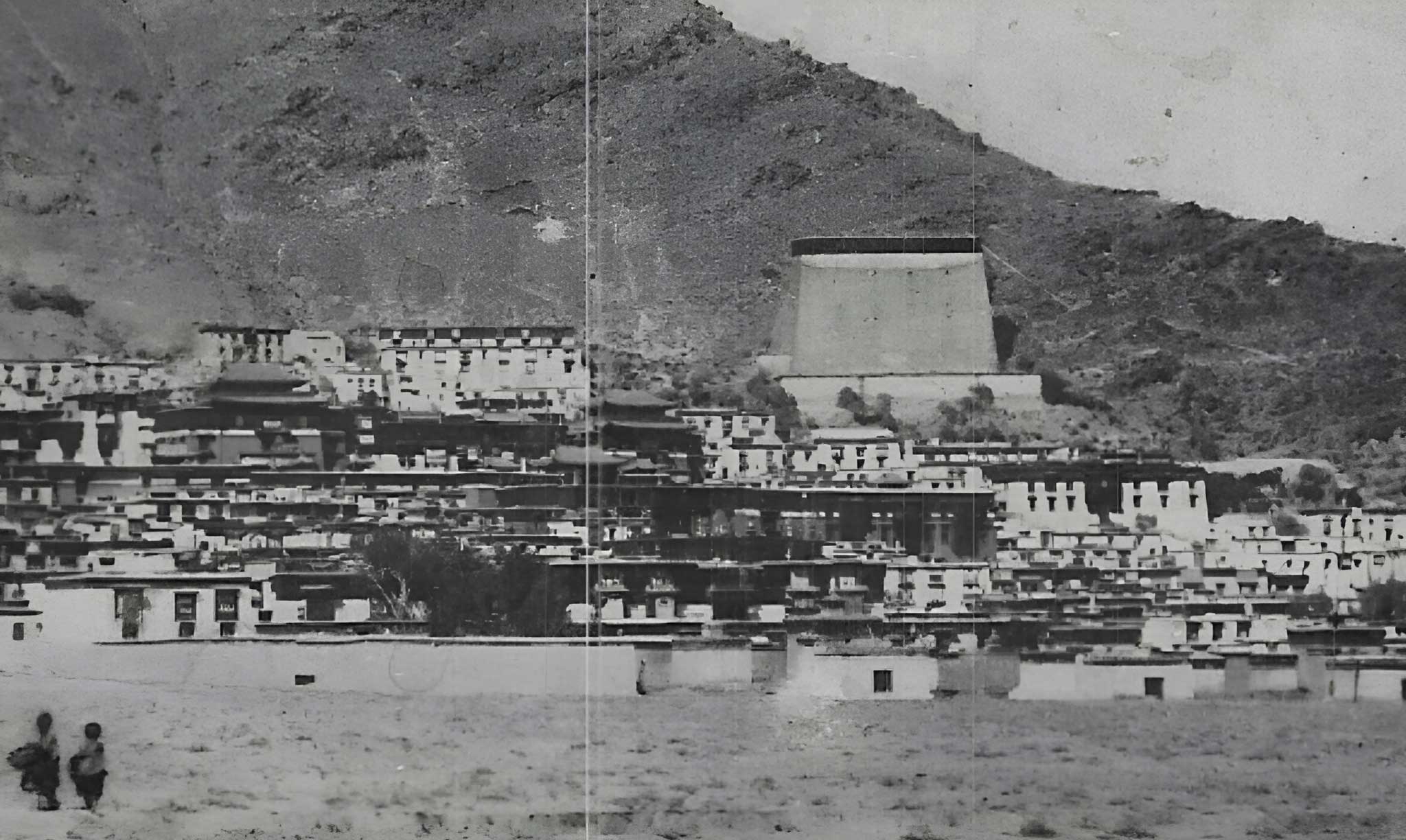
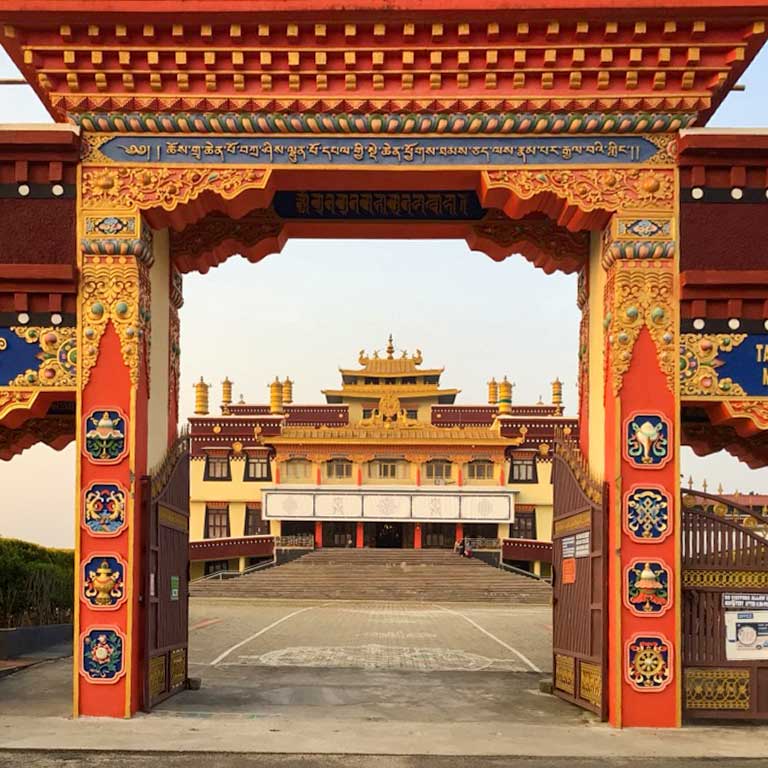
Explore the history of Tashi Lhunpo, from its founding in Tibet to its re-establishment in India and continuing Panchen Lama tradition.
About Tashi Lhunpo
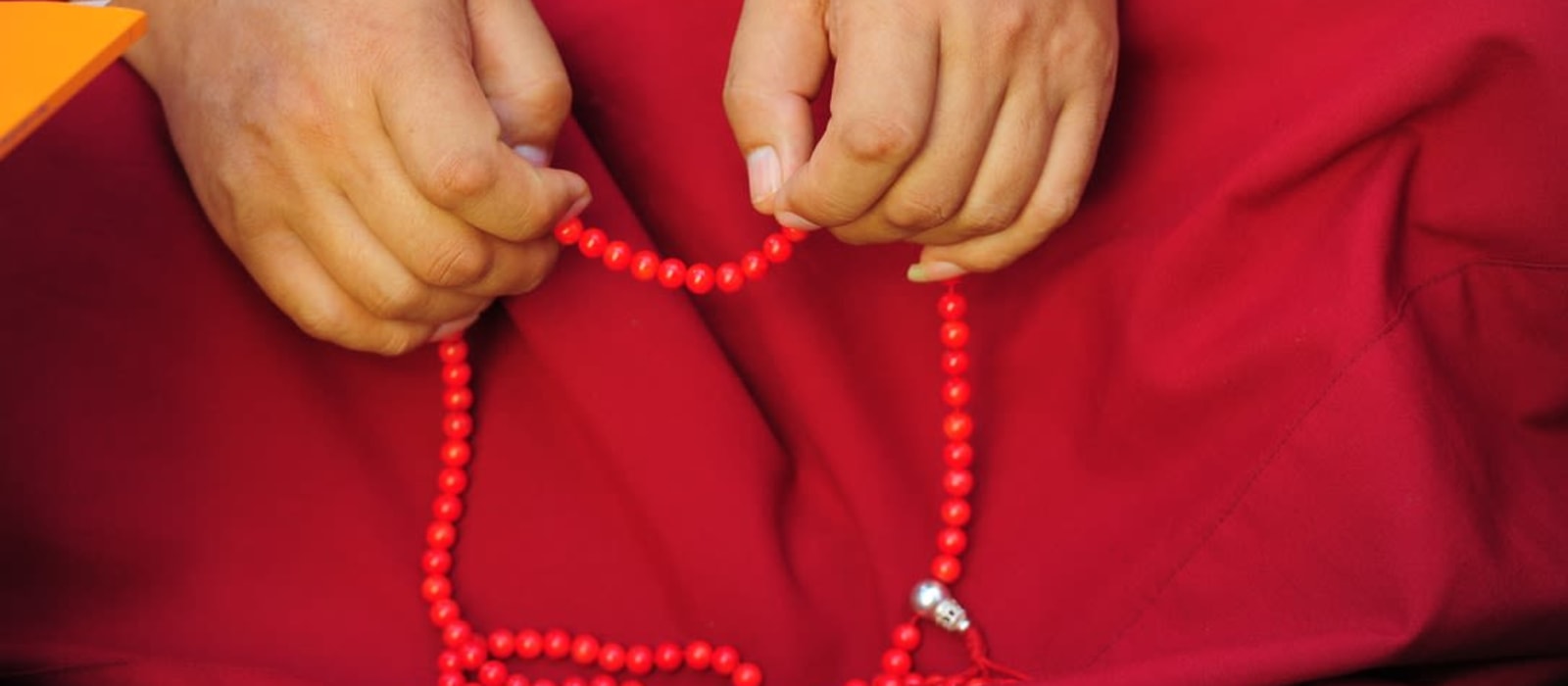
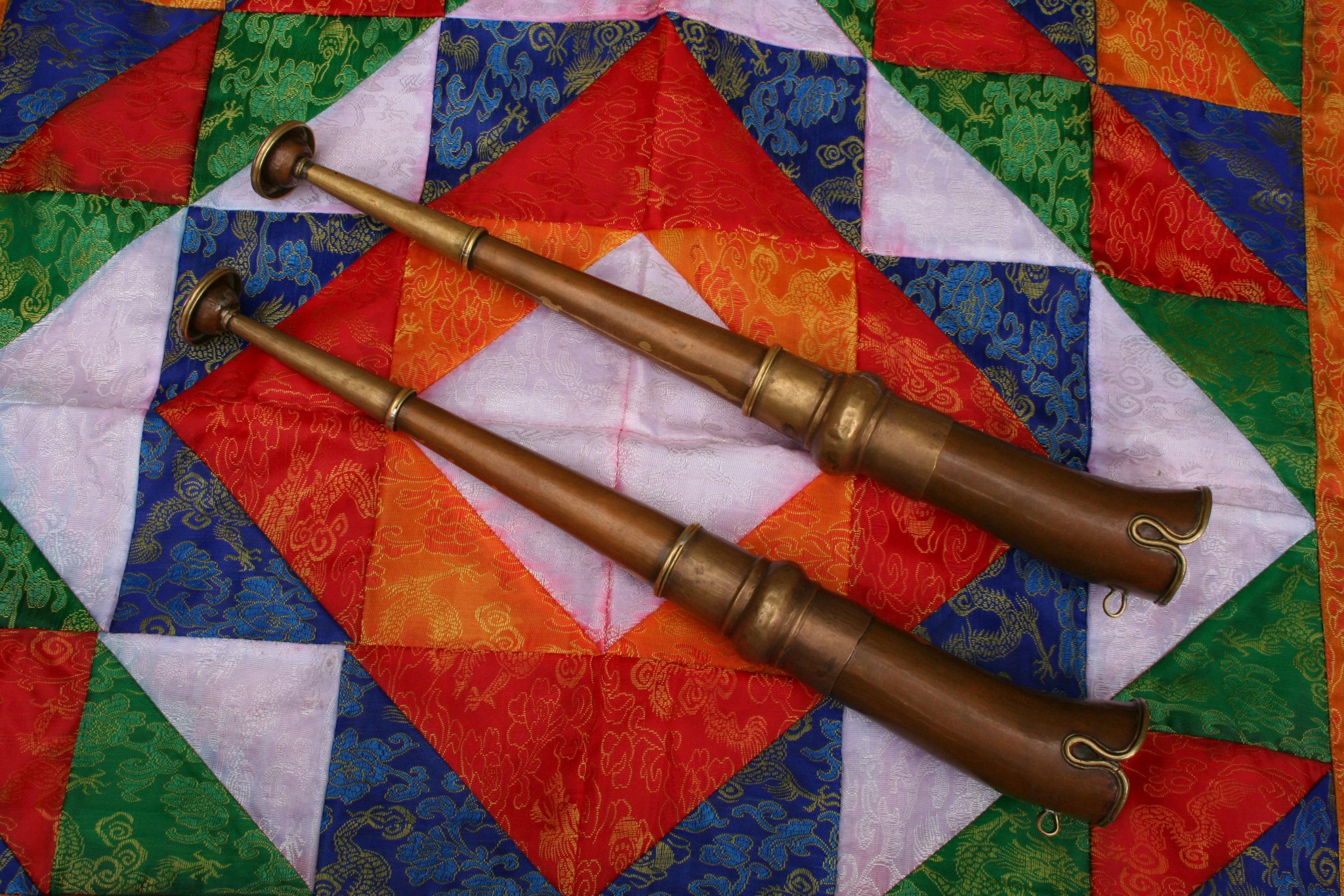
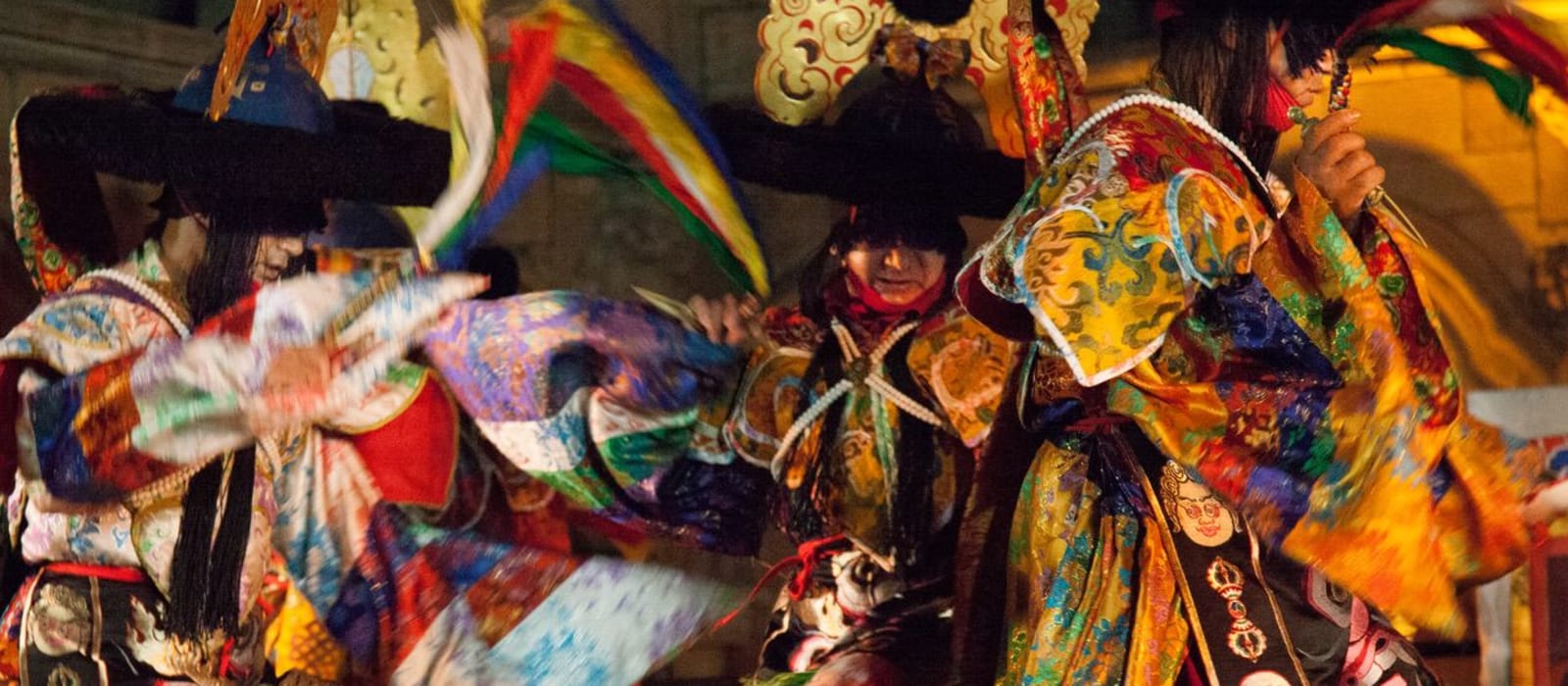
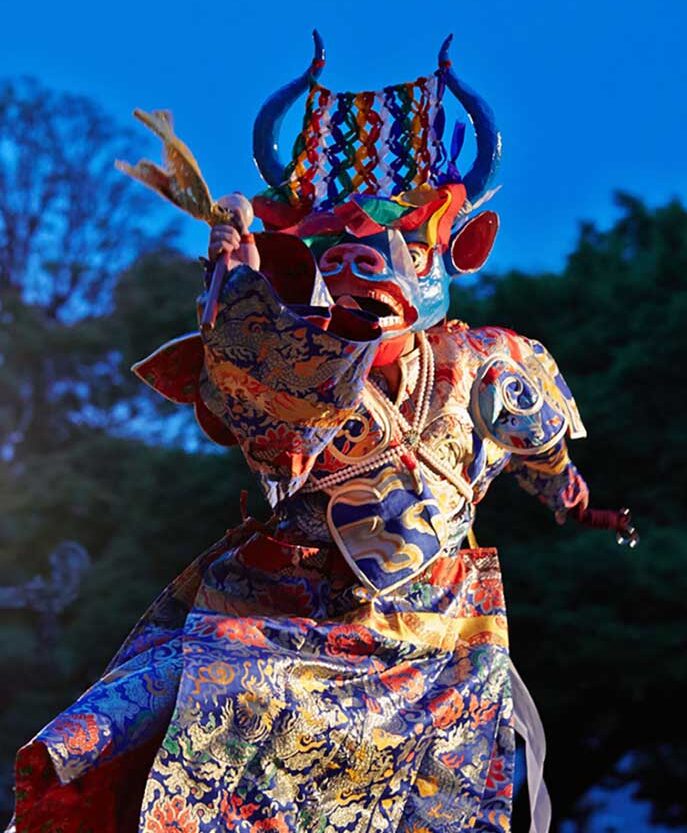
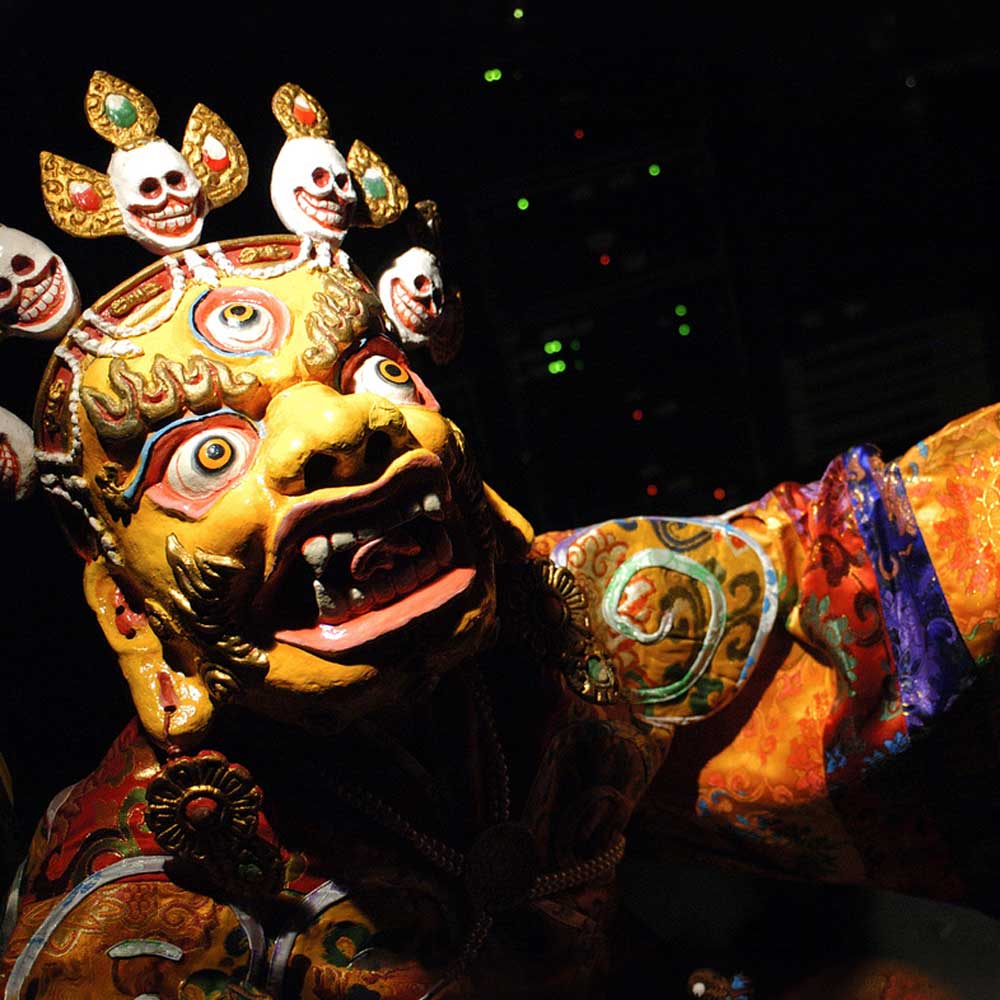
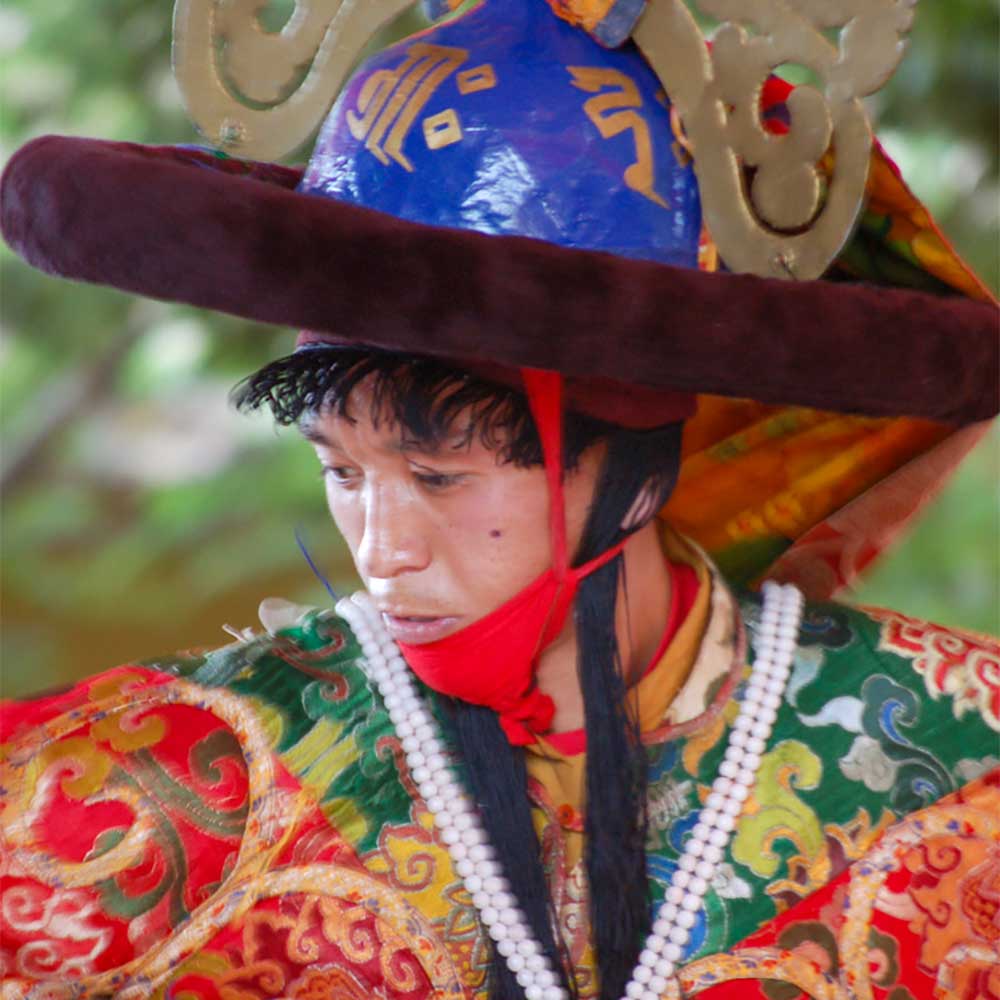
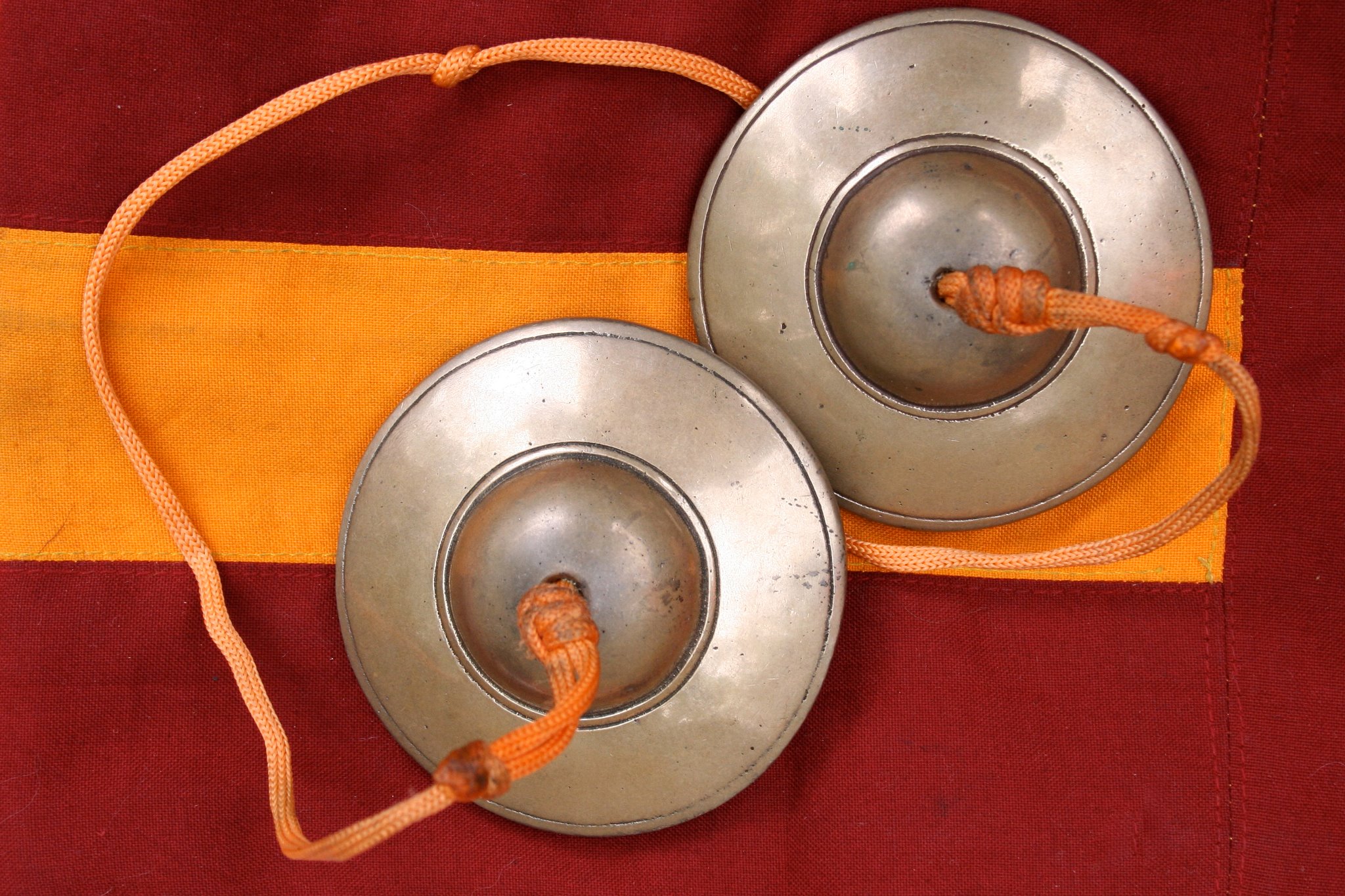
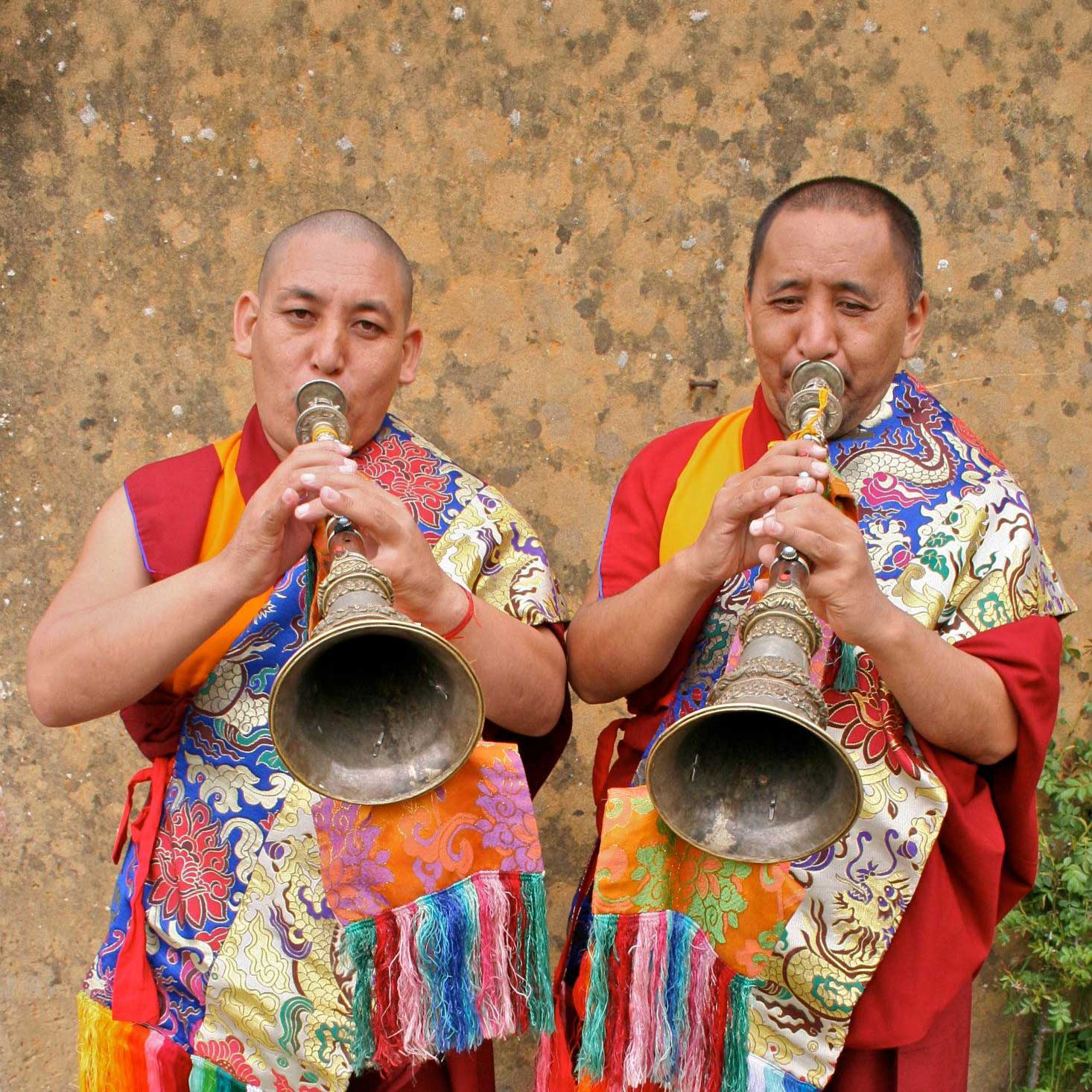
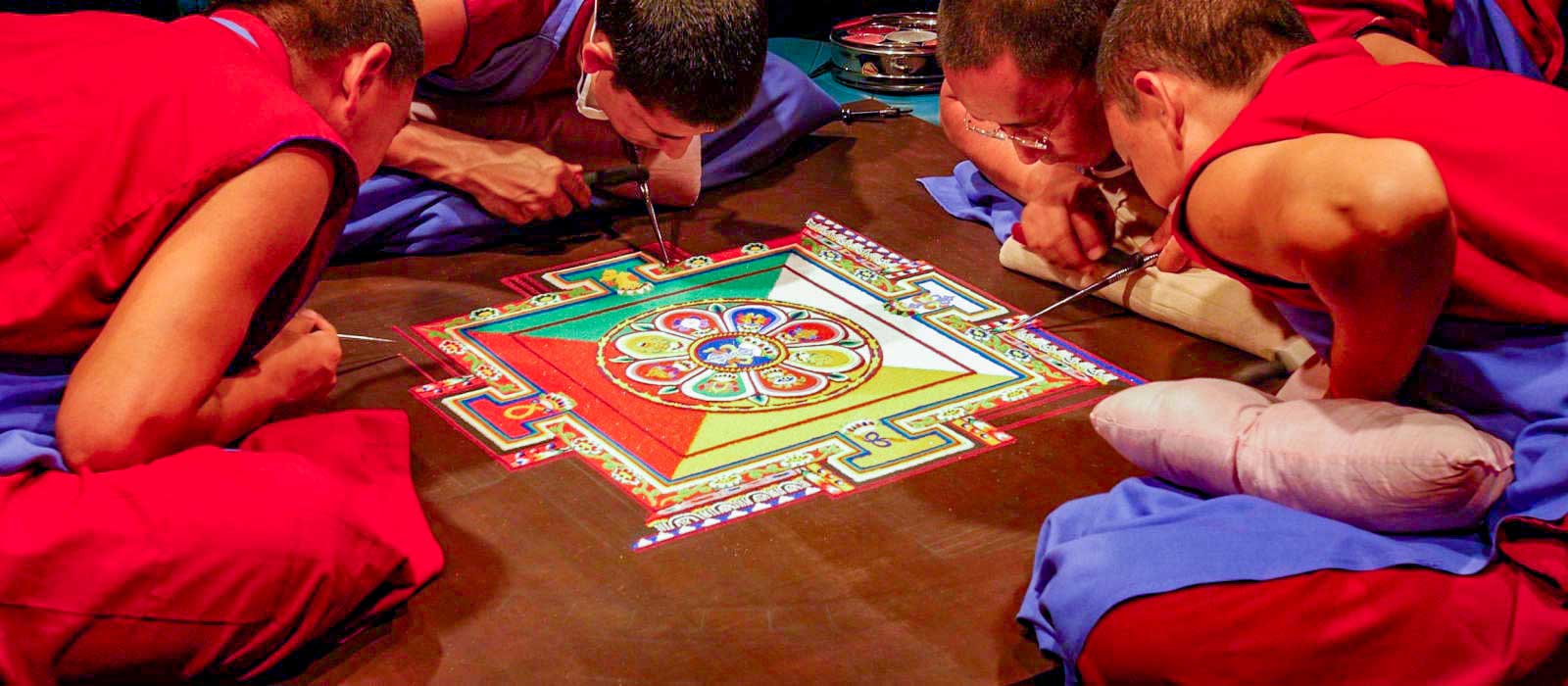
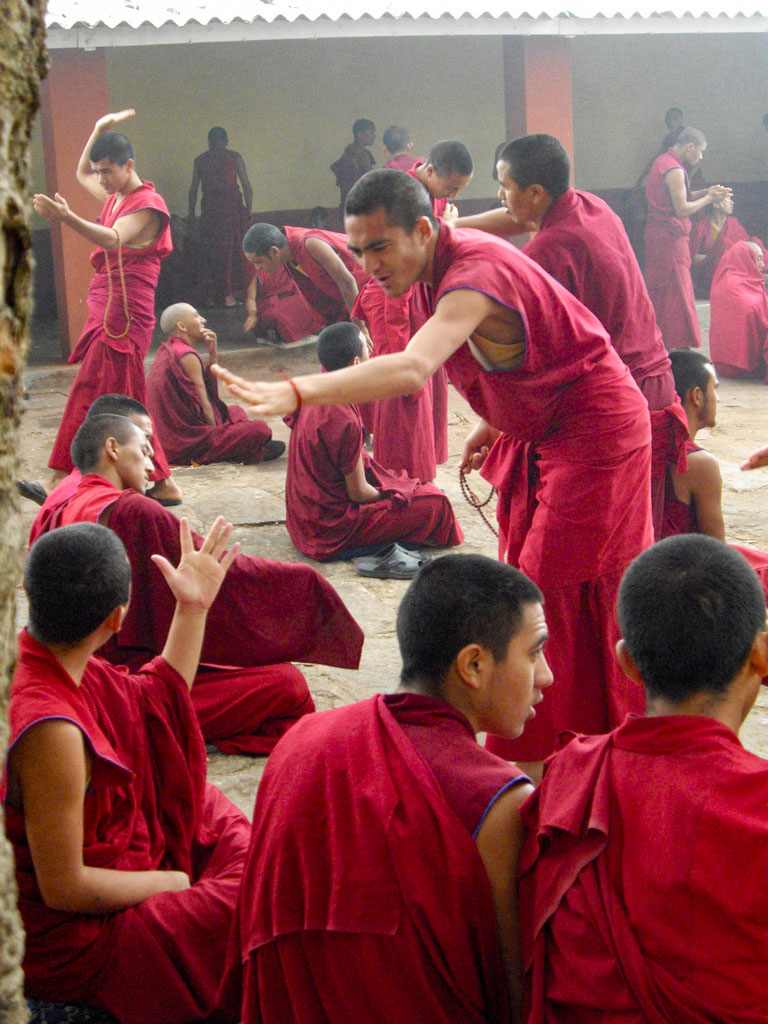
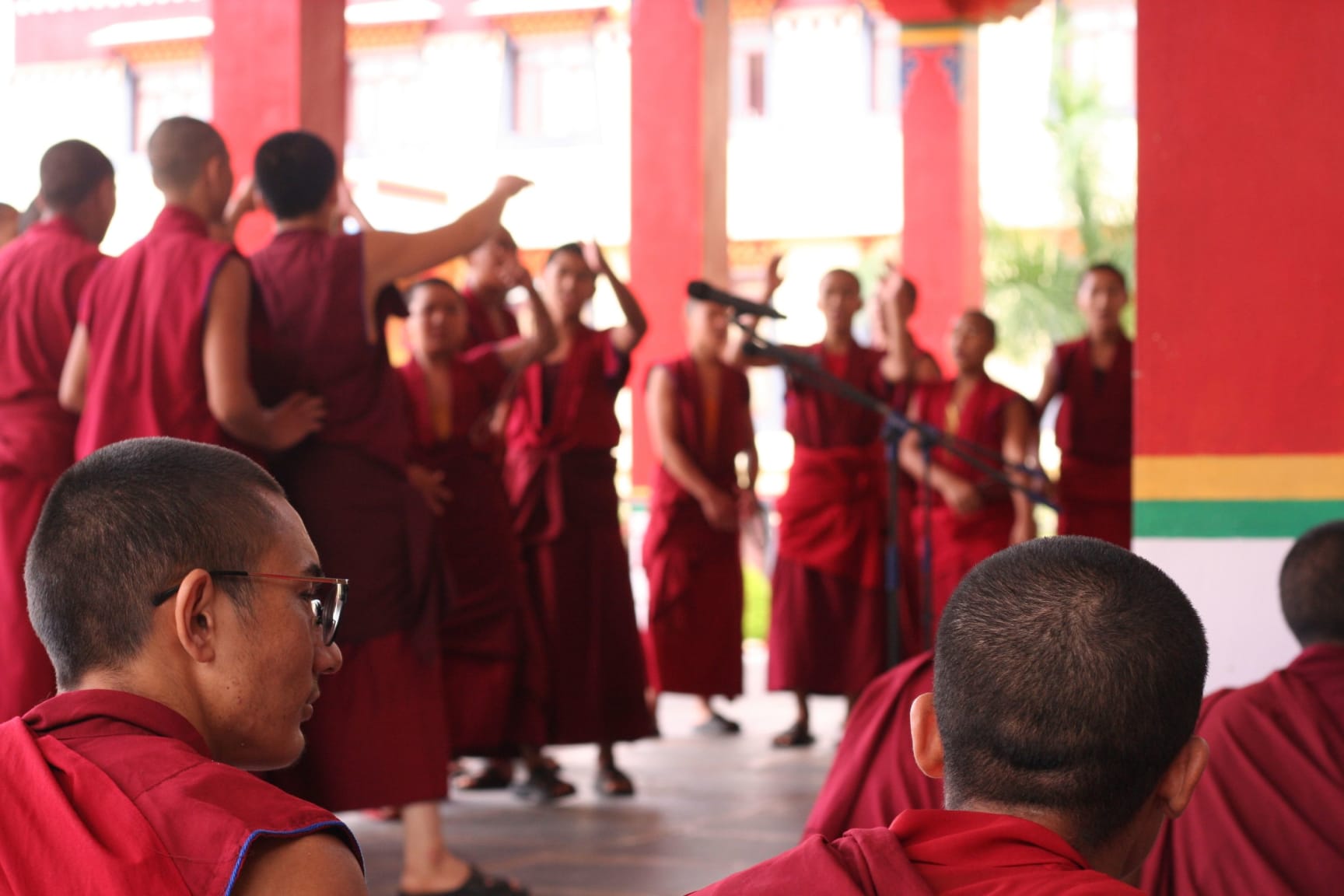
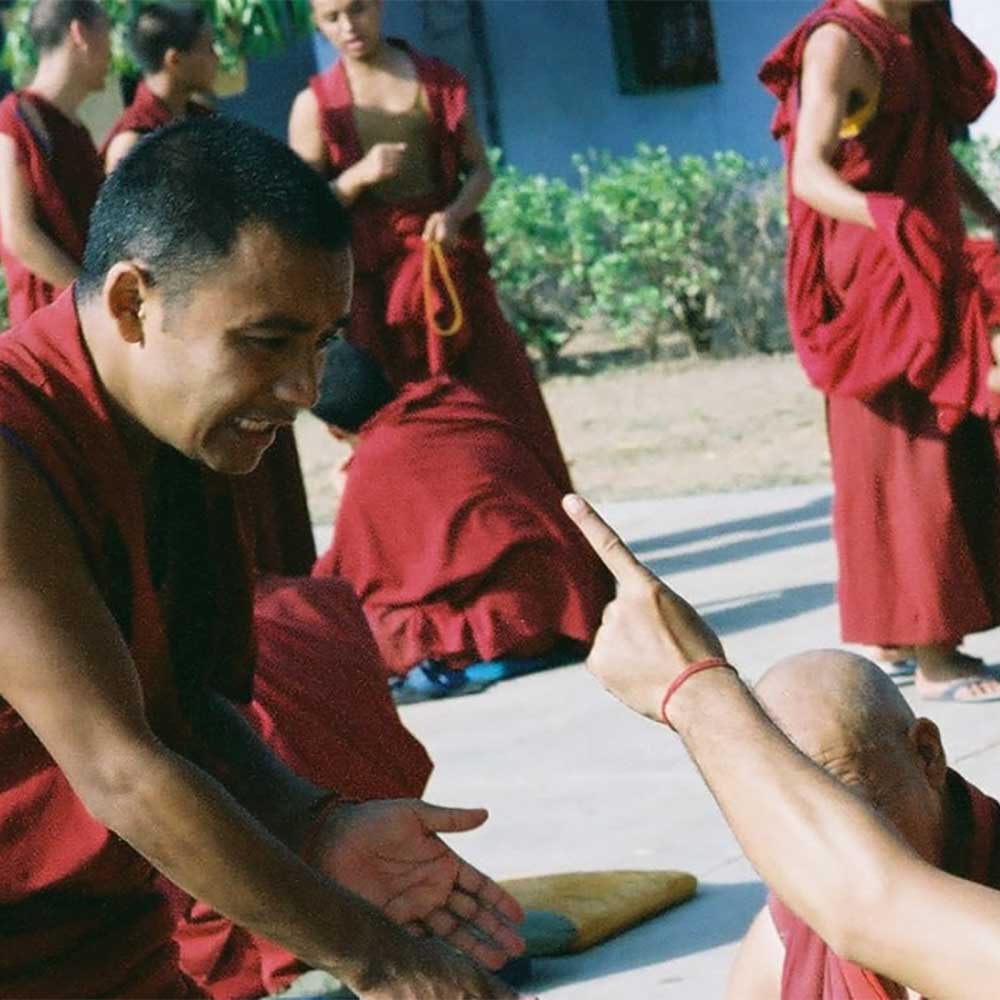
Rooted in centuries of tradition, the monastic life of Tashi Lhunpo is expressed through ritual, art, music, and debate. These practices are not only preserved but lived each day.
Buddhist Monastic Culture
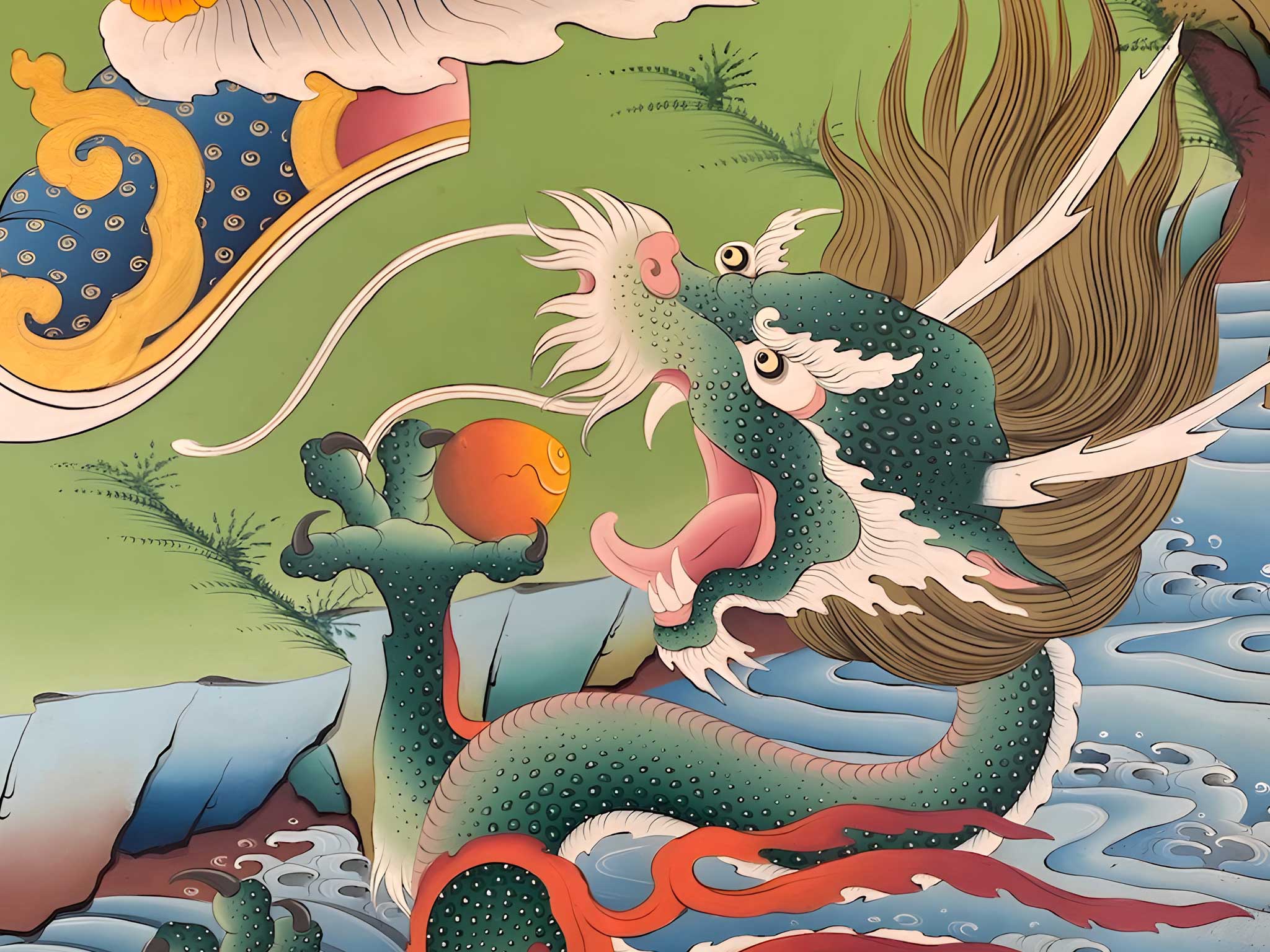
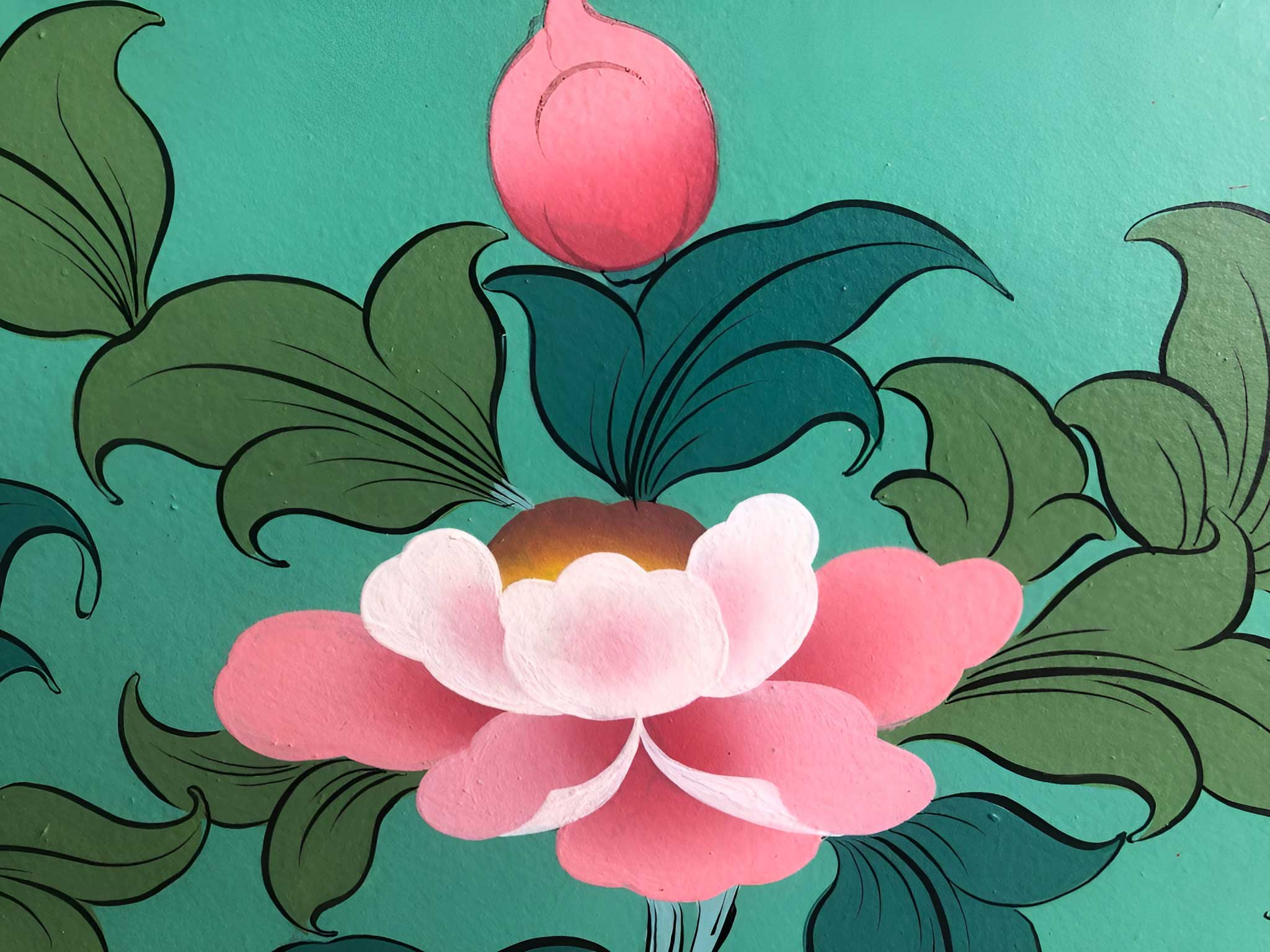
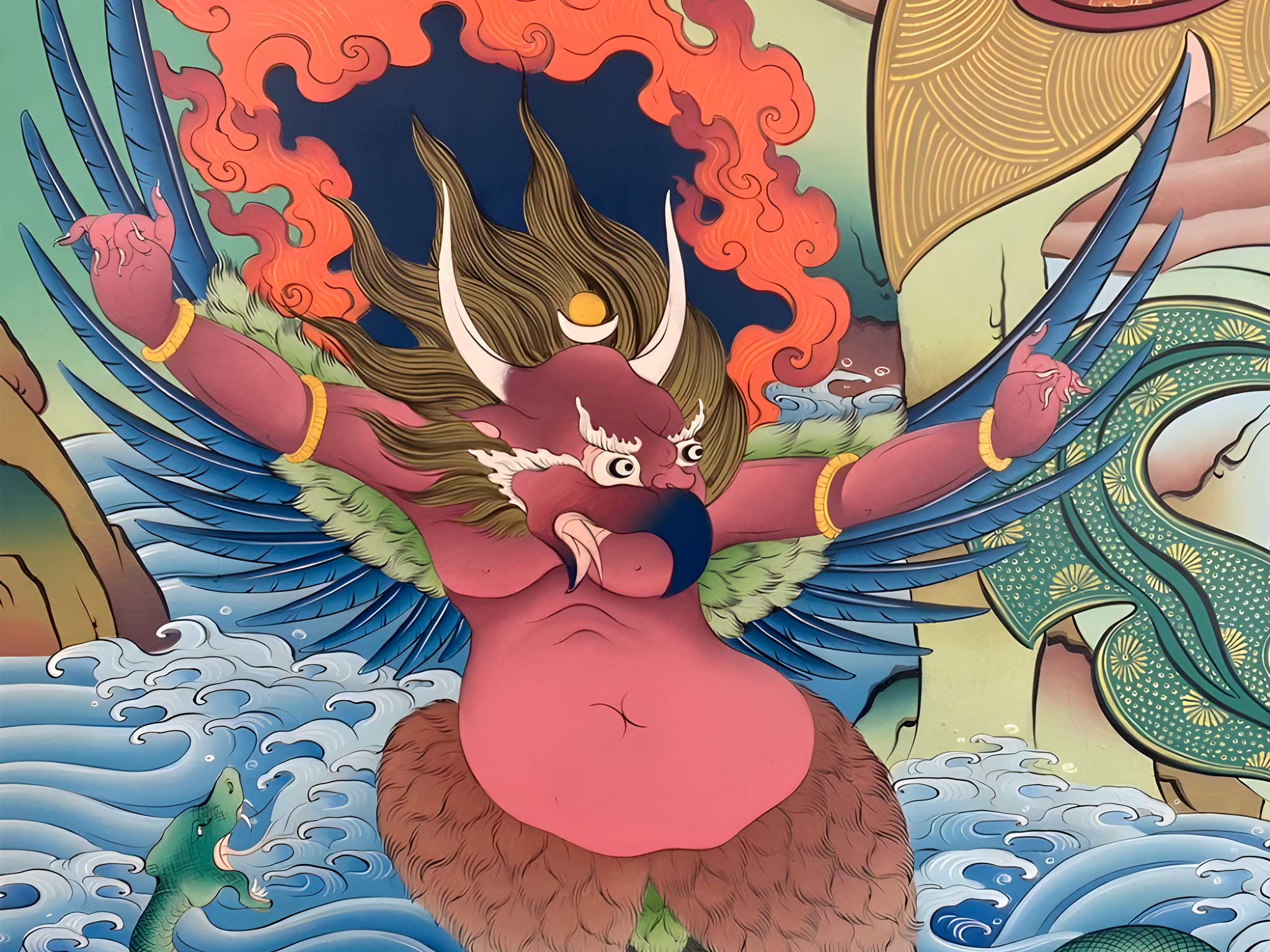
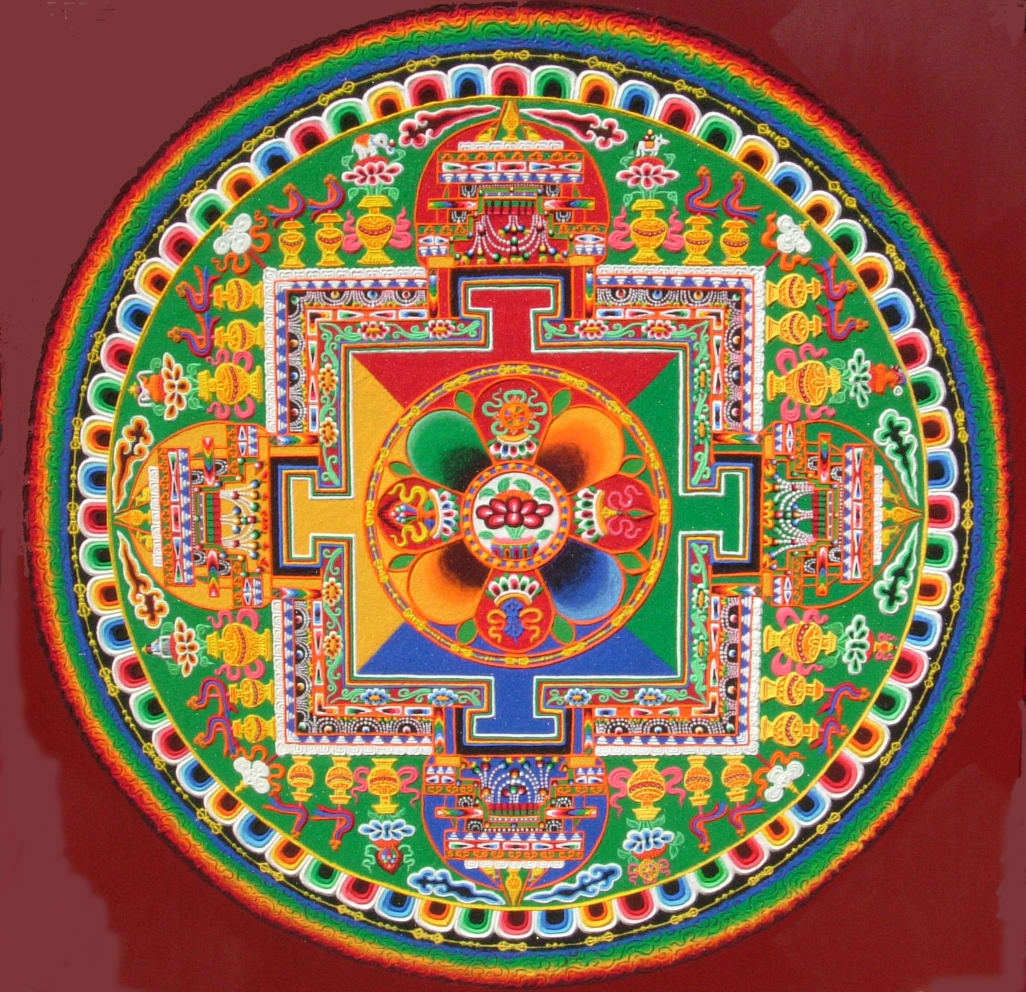
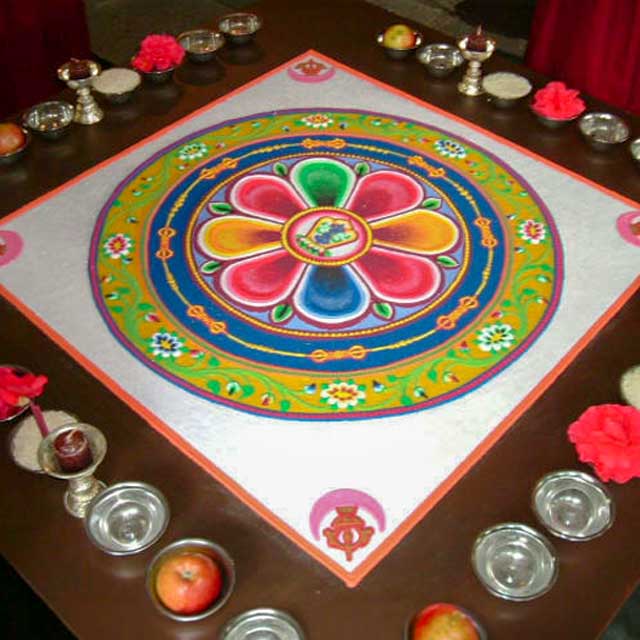
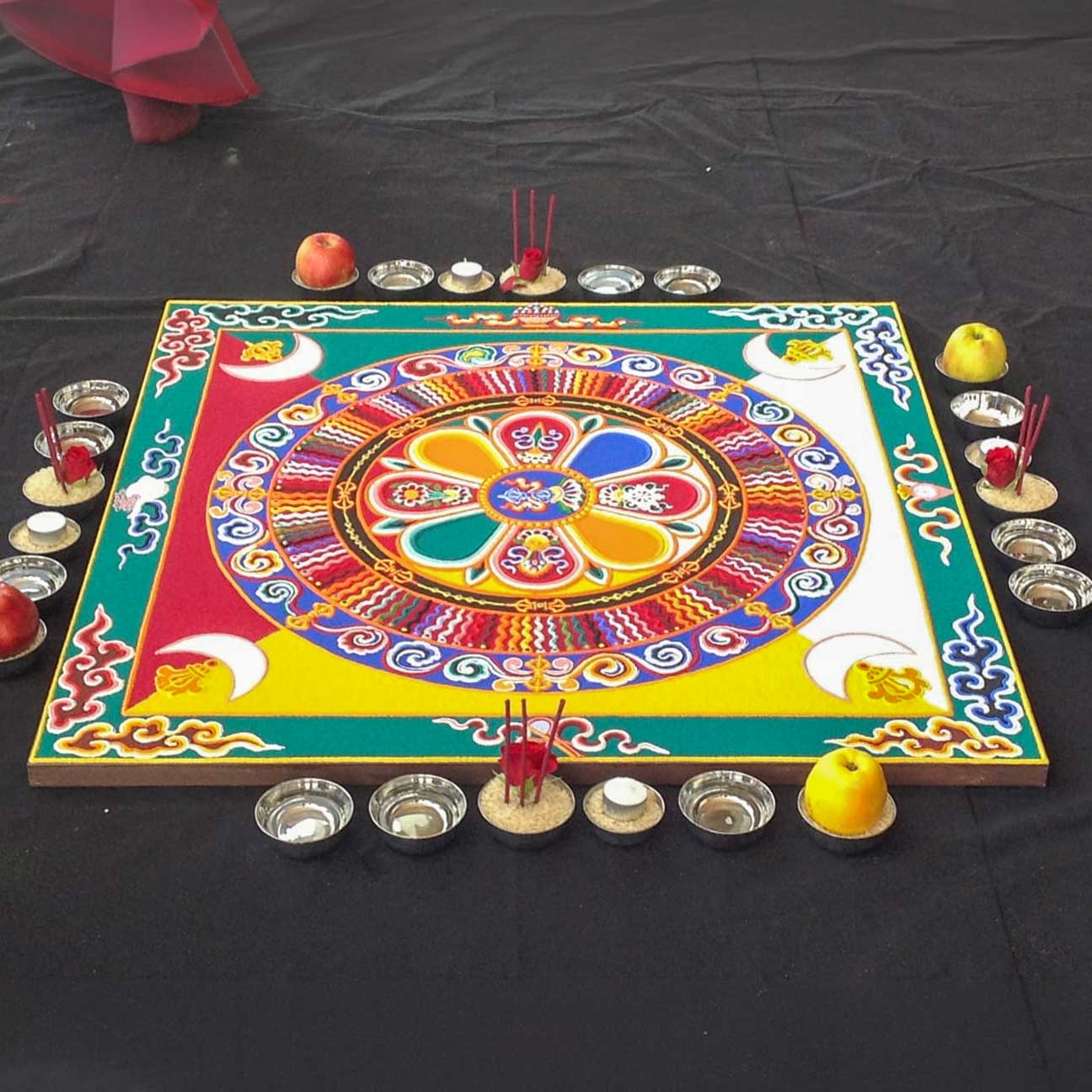
Vibrant wall paintings at Tashi Lhunpo depict deities, mandalas, and sacred stories, using rich colour and symbolism to visually convey Buddhist teachings and support meditation.
Buddhist Monastic Culture
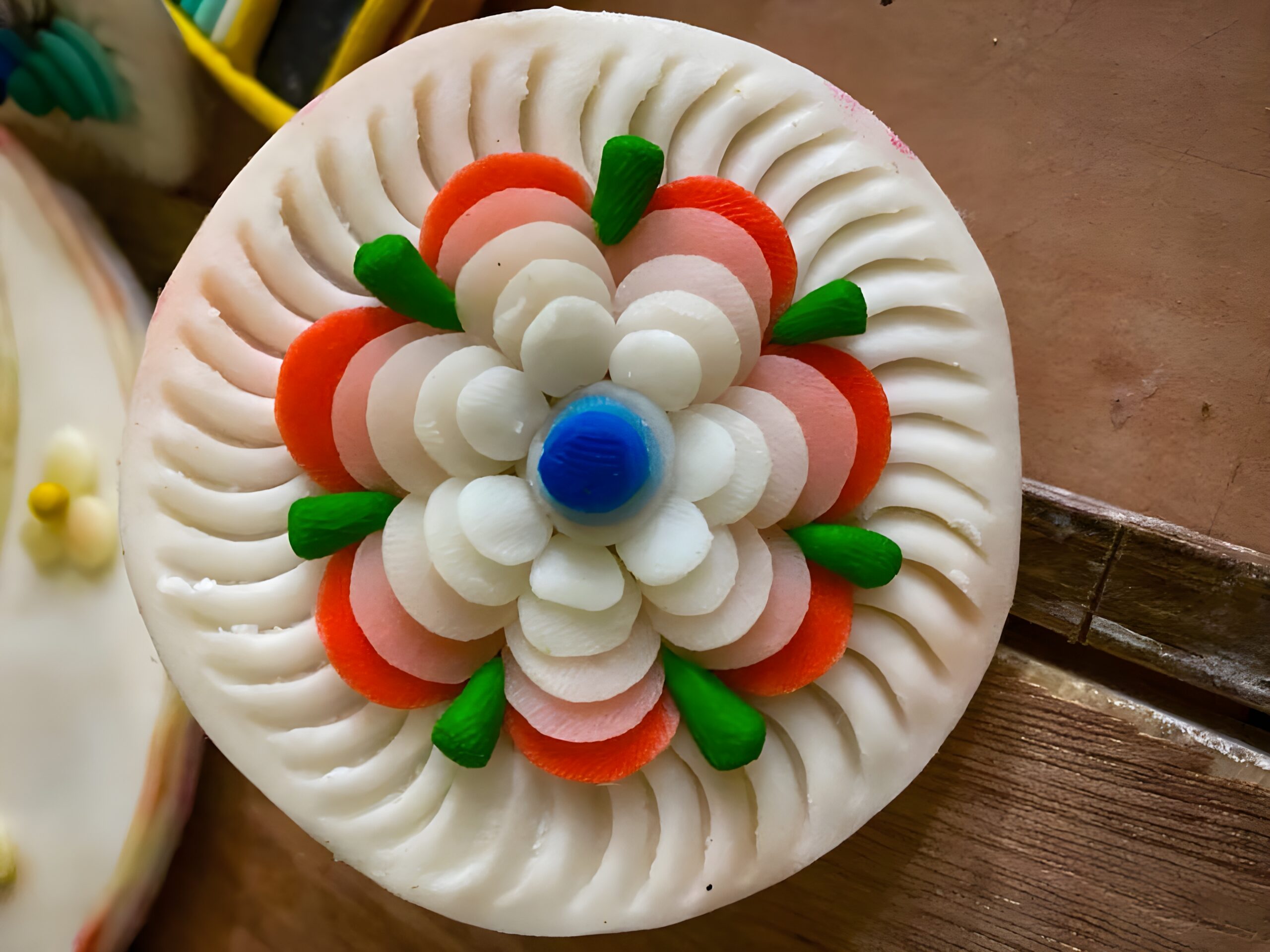
Butter sculpture or Torma are replaced every New Year and represent offerings to the Deities. The offering ‘cakes’ are made from tsampa (barley flour), mixed with butter. The intricate decorations fixed to each torma are made from butter, dyed with bright colours. They remain in the Temple for a year and are replaced before the Losar celebrations, usually at the end of February or early March.

Buddhist Monastic Culture
The Tibetan calendar shapes the rhythm of monastic life, guiding festivals, rituals, and daily practice throughout the year. From Losar, the Tibetan New Year, to Saga Dawa and other sacred observances, each date carries deep spiritual meaning, reflecting the cycles of time, devotion, and tradition within the monastery.
Discover More
Discover the story of Tashi Lhunpo and the community committed to preserving Tibetan Buddhist traditions for generations to come.
Through the Centuries
Explore the history of Tashi Lhunpo, from its founding in Tibet to its re-establishment in India and continuing Panchen Lama tradition.

Monastic Life
Discover the life of Tashi Lhunpo Monastery, its purpose, values, education, and community dedicated to preserving Tibetan Buddhist tradition in exile.

Spiritual Lineage
Learn about the Panchen Lamas, the spiritual leaders of Tashi Lhunpo, whose lineage has guided Tibetan Buddhism for centuries.
Your Support Matters
Learn more about Tashi Lhunpo Monastery, discover meaningful ways to support its work, and see how your involvement helps sustain monastic life, education, and a living spiritual tradition in exile.